
The Last Boat
Béla Tarr

Watch Trailer on Vimeo:
https://vimeo.com/manage/videos/1174409326
info
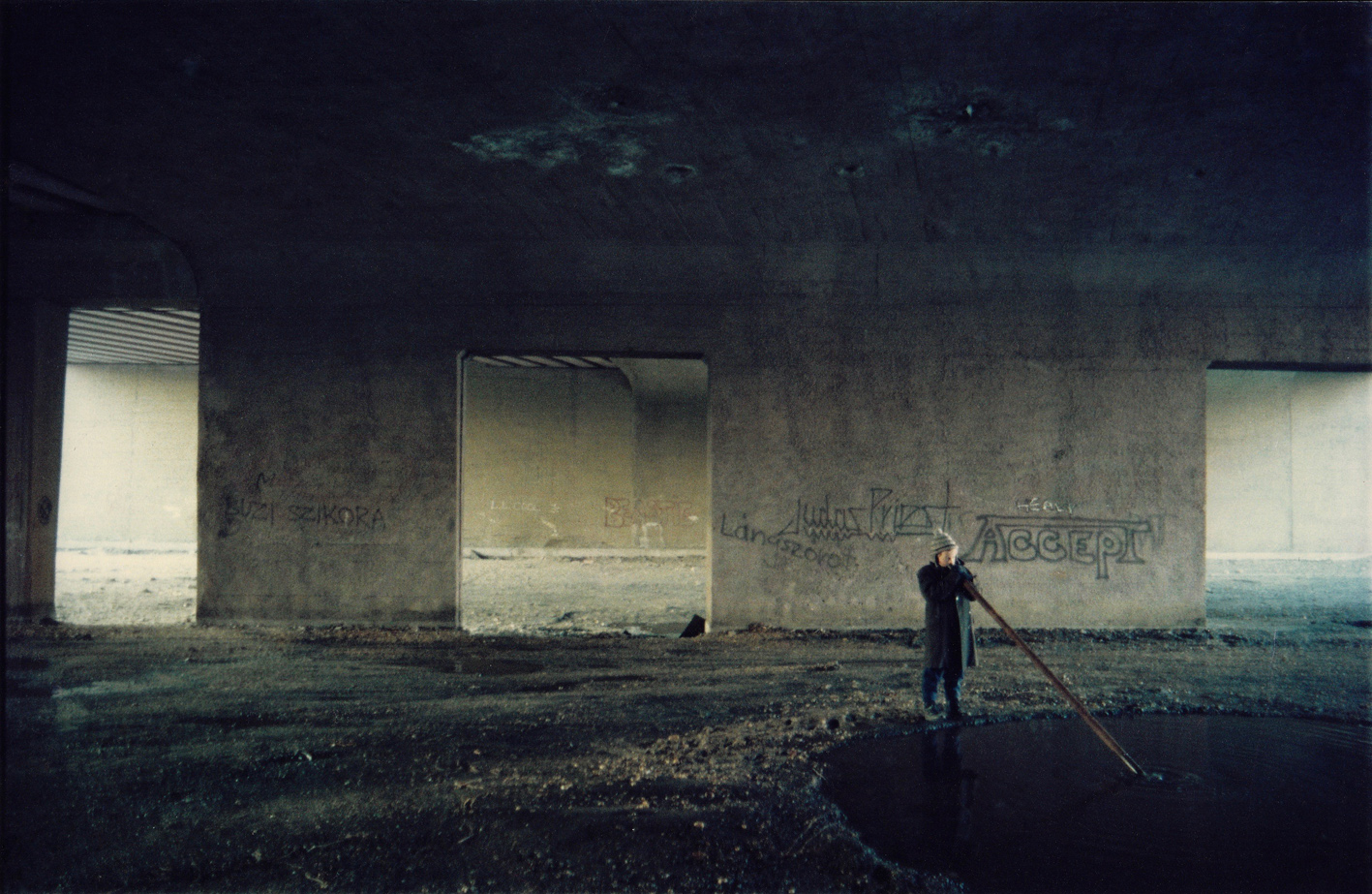
The city of BUDAPEST
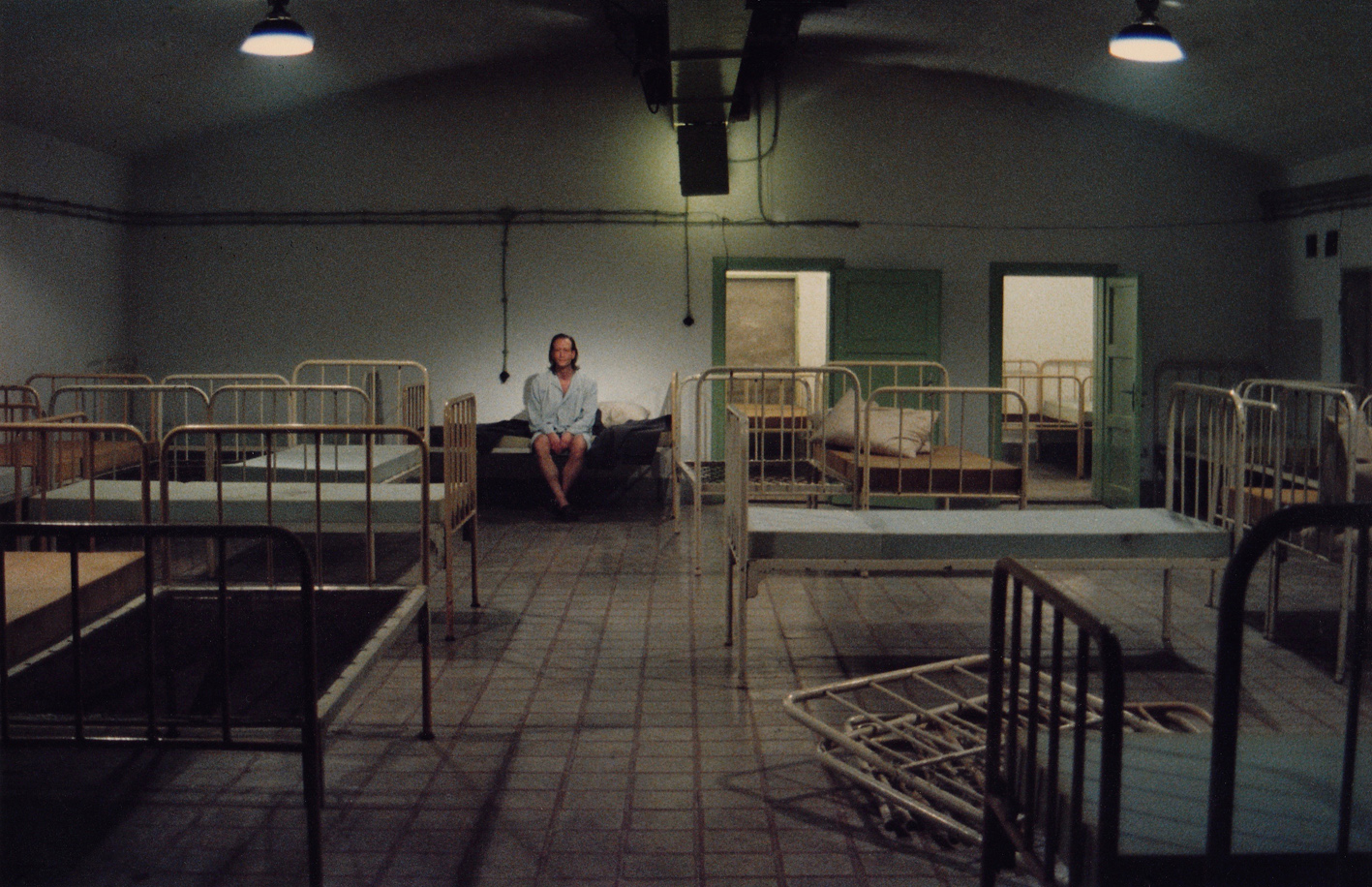
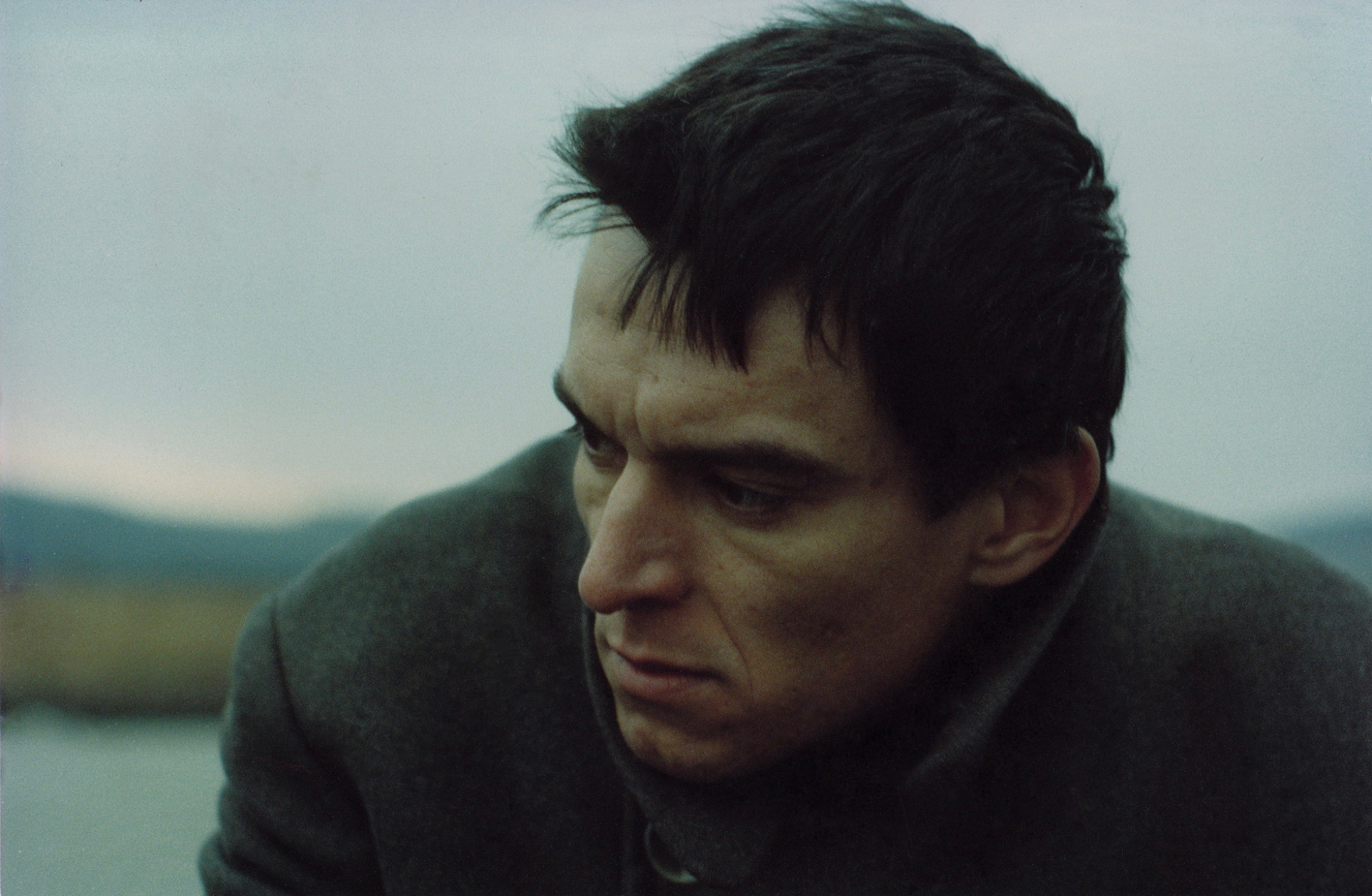
The story takes place in the turbulent times of the collapse of the Eastern Bloc. Budapest’s siren is sounding, the city is slowly depopulating. We see a man who may or may not have committed murder. Many board the ship and the man with them. But even here they cannot hide from violence and madness.
The Last Boat is Bela Tarr’s contribution to the film project City Life by Dirk Rijneke and Mildred van Leeuwaarden.
A number of filmmakers whose films had been invited to screen at the Rotterdam Film Festival were asked to contribute to City Life, the international episode film by Dirk Rijneke & Mildred van Leeuwaarden. The filmmakers were asked to make a short film about the city where they lived. This resulted in a total of 12 portraits centered on cities, with a total running time of four hours.
In addition to Tarr (Budapest), contributions from Krzysztof Kieslowski (Warsaw), Mrinal Sen (Calcutta), and Carlos Reichenbach (São Paulo) were included*
The Last Boat, was written by László Krasznahorkai, who won the Nobel Prize for Literature in 2025. Mihály Víg created the soundscapes for this work.
The Last Boat is one of Béla Tarr’s first slow cinema films. The film was shot in Budapest in 1988.
According to Tarr himself, he was inspired by Andrey Tarkovsky, (The Sacrifice) and Robert Bresson’s work. But the ‘slow cinema’ film Voro Nova by Dirk Rijneke & Mildred v Leeuwaarden also played an important role in Tarr’s decision to get involved in the City Life project. After The Last Boat and Damnation, Tarr focused entirely on slow cinema and made it his trademark with great success.
The Last Boat is one of Béla Tarr’s unique early masterpieces, and without this film, his oeuvre would not be complete.
The rights to the film are held by Rijneke & van Leeuwaarden and Ricky Rijneke who also own all the original negatives from this film project including Tarr and Kieslowski.
Ricky Rijneke is leading the restoration project; in addition to Bela Tarr’s The Last Boat she will also be restoring Seven Days a Week by Krzysztof Kieslowski.
Length:
Cinema/ Festival version: 35 mm color 35 minutes
Television version: 20 minutes
Restoration 4K 35 min.
Restoration Supervisor: Ricky Rijneke
*All shot with the Eclair NPR camera from Dirk Rijneke
_______________________________________________________________________
* Voro Nova opened the IFFR (International Film Festival Rotterdam) in 1985 and was one of the six favorite films from Hubert Bals, which he had included in the last programme he compiled for the International Film Forum in Riga in 1988, shortly before his untimely death. The other films he selected were Chen Kaige’s Yellow Earth, Werner Schroeter’s Der Rosenkonig, Himatsuri by Mitsua Yanagimachi, l’Argent by Robert Bresson and Frida, Naturaleza Viva by Paul Leduc.
about the director


 41
41